
All Climat display & sales centres will be closed throughout the Christmas break between 12:00pm 24th December – 9am 2nd January 2025. For air conditioning assistance through this time, please contact your air conditioning system manufacturer directly.
All Climat display & sales centres will be closed throughout the Christmas break between 12:00pm 24th December – 9am 2nd January 2025. For air conditioning assistance through this time, please contact your air conditioning system manufacturer directly.
Reverse cycle air conditioning is one of the most efficient and versatile heating and cooling solutions available for Australian homes. It provides both heating and cooling from a single system, making it an excellent choice for homeowners who want year-round comfort without the need for separate appliances.
At Climat, we specialise in reverse cycle air conditioning systems, offering both split system and ducted options from leading brands. Whether you are looking for a simple reverse cycle air conditioner for one room or a complete whole-home solution, our team delivers expert advice, professional installation and ongoing support.
The term “reverse cycle” refers to the ability of the air conditioner to reverse the refrigeration process. In cooling mode, the system removes heat from inside the home and releases it outdoors. In heating mode, the process is reversed, extracting heat from the outside air and transferring it indoors.
This dual functionality means one appliance can effectively heat your home in winter and cool it in summer. Reverse cycle air conditioning has become the preferred choice across Australia because it eliminates the need for separate heating and cooling units.
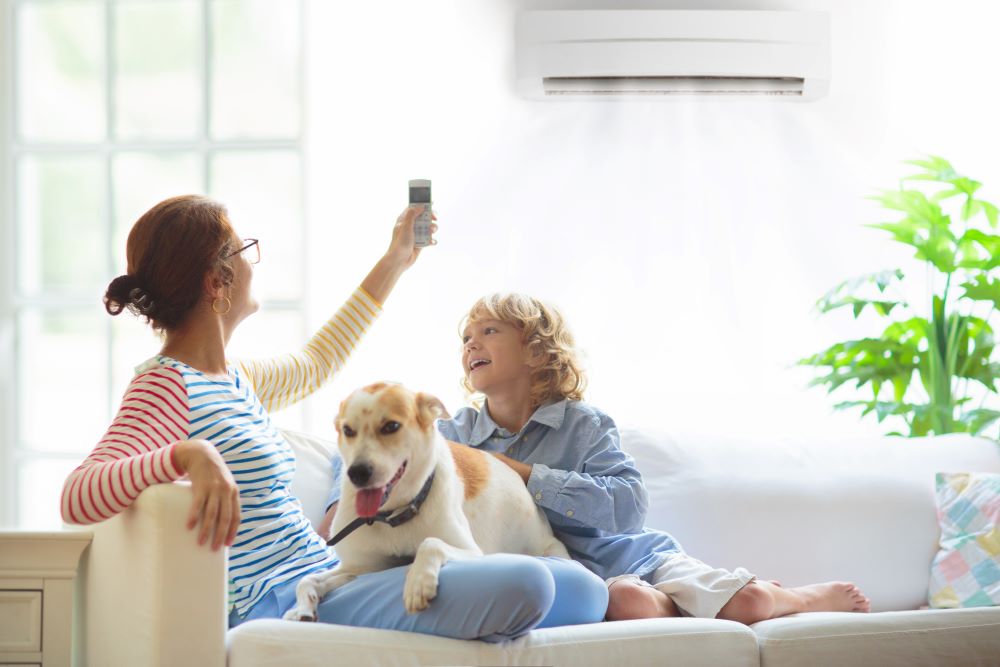
Reverse cycle air conditioning operates using heat pump technology. The system contains a refrigerant that absorbs and releases heat as it moves between the indoor and outdoor units.
Even on cold days, there is still some heat energy present in the outside air. The heat pump extracts this energy and concentrates it to warm the indoor space. This process is significantly more efficient than traditional electric or gas heating because it moves existing heat rather than generating it from scratch.
When choosing reverse cycle air conditioning, homeowners generally decide between split systems and ducted systems.
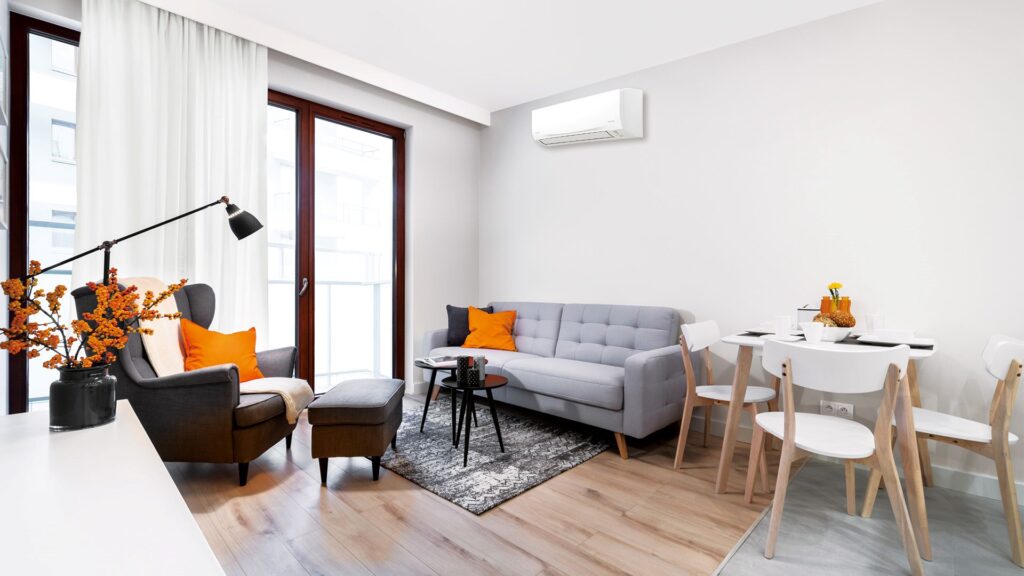
A reverse cycle split system air conditioner consists of one indoor unit and one outdoor unit. These systems are ideal for conditioning individual rooms or smaller homes. They are typically more affordable to install and offer excellent energy efficiency for targeted comfort.
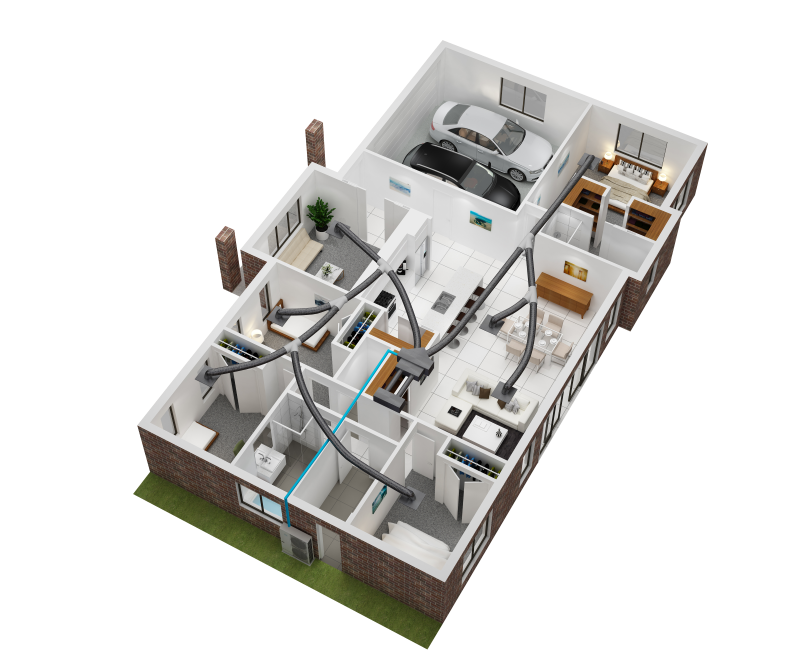
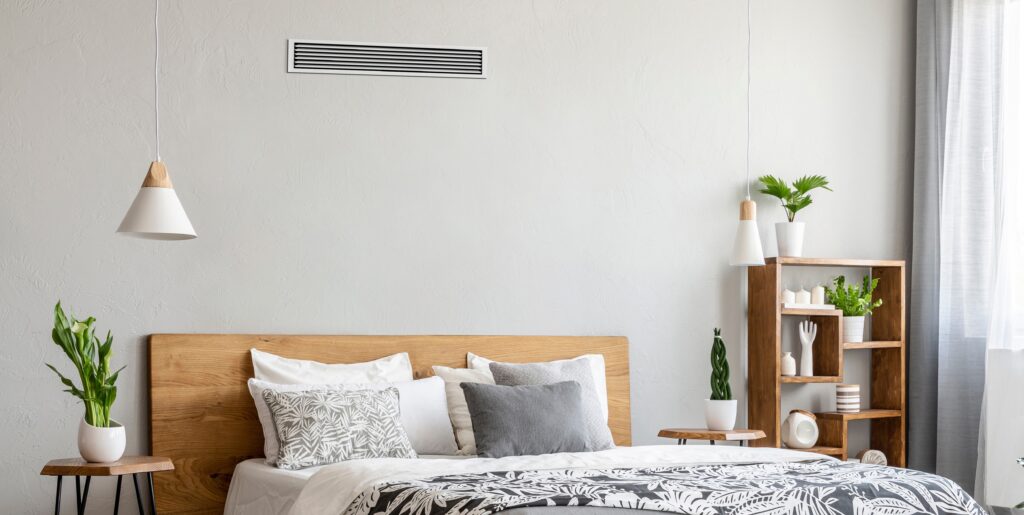
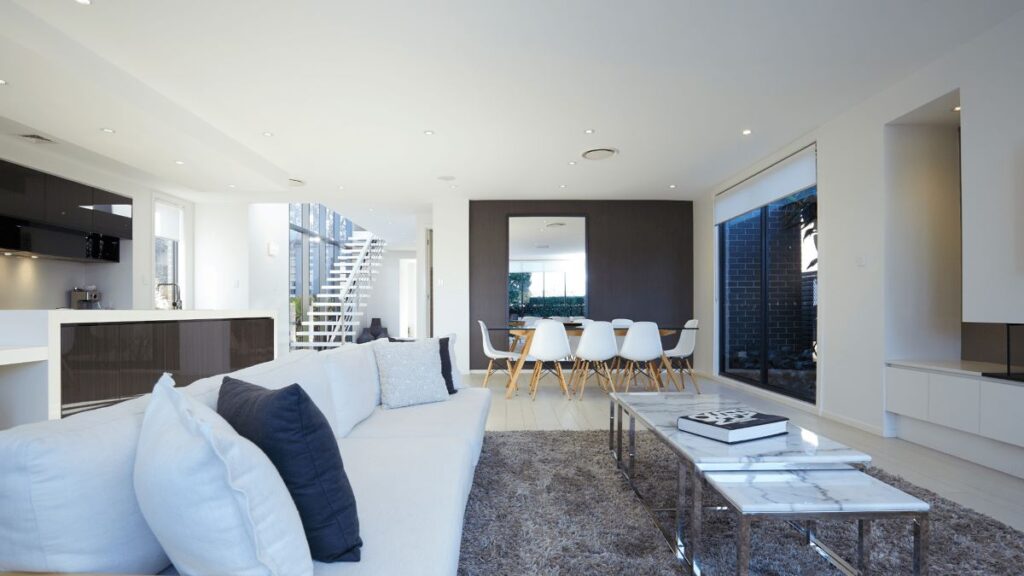
Reverse cycle ducted air conditioning uses a network of ducts and ceiling vents to deliver conditioned air throughout the entire home. This option provides whole-home comfort with discreet installation and advanced zoning capabilities.
For more information on whole-home solutions, visit our ducted reverse cycle air conditioning page. If you are looking for room-by-room comfort, explore our split system air conditioner options.
Reverse cycle air conditioning performs exceptionally well in the climates of Victoria and South Australia. In Victoria, cold winters require reliable and efficient heating. Reverse cycle systems deliver powerful heating performance even when outdoor temperatures are low, providing consistent warmth without the drying effect of some traditional heaters.
In South Australia, hot summers demand strong cooling capacity. The same system can quickly lower indoor temperatures while maintaining good humidity control. The ability to switch between heating and cooling modes makes reverse cycle air conditioning a practical, all-season solution for homes in both states.
Reverse cycle air conditioning is significantly more energy efficient than traditional electric heaters and many gas heating systems. Because it uses heat pump technology, it can deliver up to three times more heat energy than the electricity it consumes.
Traditional electric heaters convert electricity directly into heat, which is less efficient. Gas heating, while effective, involves combustion and requires regular servicing. Reverse cycle systems produce no emissions inside the home and can be paired with solar power for even greater savings.
Many modern reverse cycle air conditioning units achieve high star ratings, helping households reduce both energy consumption and running costs throughout the year.
Selecting the best reverse cycle air conditioning system depends on your home’s size, layout and usage requirements. Smaller homes or individual rooms are often best served by high-quality split systems. Larger properties or those wanting uniform comfort across multiple rooms usually benefit from a ducted reverse cycle installation.
Our team conducts a thorough assessment of your property, taking into account insulation, window orientation and room usage. This ensures the recommended system provides optimal performance and efficiency.
Professional installation is essential for reverse cycle air conditioning. The outdoor unit requires adequate space and ventilation, while the indoor components must be positioned for effective air distribution.
Licensed technicians handle all electrical connections, refrigerant charging and system commissioning. Proper installation protects your warranty and ensures the system operates at its rated efficiency from day one.
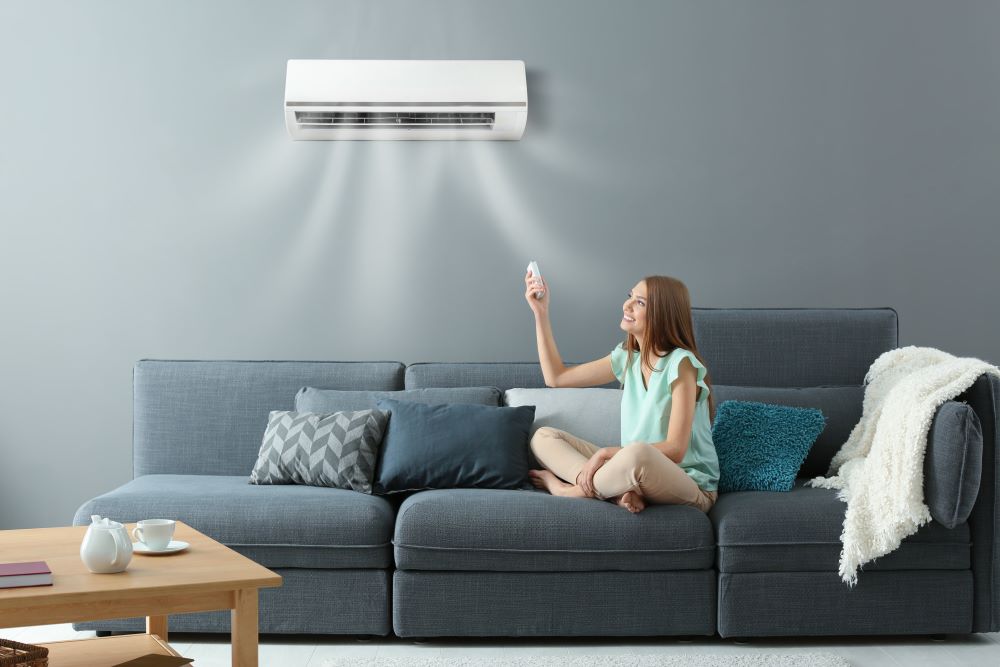
Modern reverse cycle systems are designed to operate efficiently even when outdoor temperatures drop below freezing. Many models include features that maintain strong heating performance in cold conditions.
Running costs depend on the system’s energy rating, how it is used and local electricity prices. High-efficiency models with inverter technology and zoning controls can keep operating costs reasonable.
Yes. Many homeowners pair their reverse cycle system with solar panels to further reduce electricity costs during the day.
Annual servicing is recommended to maintain efficiency, performance and warranty coverage. Regular filter cleaning by the homeowner also helps the system run smoothly.
Cooling-only units provide air conditioning during warmer months only. Reverse cycle units can both heat and cool, offering year-round comfort from one appliance.
Ready to enjoy efficient heating and cooling with a reverse cycle air conditioning system? Contact Climat for a free consultation and personalised quote. Our team will help you choose between split or ducted options and recommend the most suitable solution for your home. Call 1300 85 65 85 or request your quote online today.